Hela Lanka: Your Essential Guide to Sri Lanka’s Cultural Treasures in 2026

Understanding Hela Lanka’s Cultural Significance
Hela Lanka is not just a geographical term; it embodies a rich tapestry of culture, history, and identity that resonates deeply within the hearts of the Sinhala people. As a collective representation of the traditions, language, and customs prevalent in Sri Lanka, Hela Lanka serves as a significant touchpoint for understanding the island’s unique cultural landscape. When exploring options, Hela Lanka provides comprehensive insights into the lifestyle and values that define this culturally rich region.
What is Hela Lanka?
Hela Lanka refers to the historical and cultural identity of the Sinhala majority in Sri Lanka, highlighting their customs, language, and practices. It signifies a strong connection to the land and its heritage, emphasizing the values of community, family, and spirituality that are central to the lives of its people. The term encapsulates not just a demographic but a collective consciousness that has evolved over centuries.
The Historical Context of Hela Lanka
The roots of Hela Lanka can be traced back to ancient civilizations that flourished in Sri Lanka. The arrival of early settlers, predominantly from North India, marked the beginning of a complex ethnic and cultural blend. Throughout history, Hela Lanka has witnessed various invasions, colonial rule, and internal conflicts, each leaving an indelible mark on its cultural narrative. Understanding the historical context of Hela Lanka is essential to appreciate the resilience of its people and the preservation of their traditions.
Cultural Influences Shaping Hela Lanka
Hela Lanka’s culture is a confluence of various influences, including indigenous practices, Indian traditions, and colonial legacies. The Sinhala language, which is a significant aspect of Hela Lanka, has evolved through centuries, absorbing elements from Tamil, Portuguese, Dutch, and English. This blend not only illustrates the dynamic nature of Hela Lanka but also its adaptability in the face of change, showcasing a culture that is both rich and diverse.
Key Features of Hela Lanka
Exploring key features of Hela Lanka reveals a vibrant cultural identity characterized by traditional arts, culinary richness, and lively festivals. Each facet contributes to a holistic understanding of what Hela Lanka represents.
Traditional Arts and Crafts in Hela Lanka
The traditional arts and crafts of Hela Lanka are a testament to its rich heritage. From intricate handloom textiles to elaborate wood carvings and pottery, these forms of artistic expression highlight the skill and creativity of local artisans. Artisans often use techniques passed down through generations, ensuring that the traditional ways remain alive and celebrated.
- Handloom Weaving: This craft plays a crucial role in the textile industry of Hela Lanka, producing garments that reflect the region’s vibrant colors and patterns.
- Wood Carving: Skilled craftsmen create elaborate sculptures and furniture, often depicting religious and cultural themes.
- Pottery: Traditional earthenware remains popular, combining functionality with artistic flair.
Unique Culinary Experiences in Hela Lanka
The culinary landscape of Hela Lanka is a delightful fusion of flavors, aromas, and textures. Local cuisine is deeply rooted in the island’s agricultural practices and seasonal availability of ingredients. Staples such as rice and coconut are complemented by a variety of spices that make Hela Lankan food distinct.
- Rice and Curry: A quintessential dish featuring a variety of curries made from vegetables, meat, or fish, served with rice.
- Hoppers: Bowl-shaped pancakes made from fermented rice flour, often enjoyed with eggs or as a sweet treat.
- Short Eats: Snacks like samosas, cutlets, and patties are popular for their quick preparation and delightful taste.
Festivals and Celebrations that Embody Hela Lanka
Festivals in Hela Lanka showcase the vibrancy and diversity of its culture. Events such as Sinhala and Tamil New Year, Vesak, and Esala Perahera are celebrated with much enthusiasm. Each festival is marked by unique rituals, traditional performances, and communal gatherings, reinforcing the sense of identity and belonging.
- Sinhala and Tamil New Year: This harvest festival celebrates the arrival of the new year with customs such as cooking traditional meals and performing rituals.
- Vesak: Celebrated by Buddhists, Vesak commemorates the birth, enlightenment, and death of the Buddha, marked by lantern lighting and religious observances.
- Esala Perahera: A grand procession in Kandy honoring the sacred tooth relic of the Buddha, featuring traditional dancers, elephants, and musicians.
Exploring Hela Lanka’s Tourism Opportunities
Tourism in Hela Lanka offers a plethora of opportunities for travelers seeking authentic experiences. From breathtaking landscapes to rich cultural encounters, Hela Lanka is a promising destination for both domestic and international tourists.
Must-Visit Destinations in Hela Lanka
Hela Lanka is home to numerous destinations that highlight its natural beauty and cultural richness. Some must-visit places include:
- Sigiriya: An ancient rock fortress and UNESCO World Heritage site, known for its stunning frescoes and remarkable history.
- Kandy: The last capital of the Sinhalese kings, famous for the Temple of the Tooth and beautiful botanical gardens.
- Galle: A coastal city with well-preserved colonial architecture and scenic beaches that attract visitors from around the world.
Adventure Activities and Nature Trails in Hela Lanka
For adventure enthusiasts, Hela Lanka offers a variety of activities such as hiking, wildlife safaris, and water sports. Nature trails through national parks like Yala and Udawalawe provide opportunities to witness diverse wildlife, including elephants, leopards, and exotic bird species.
Cultural Tours: An Immersive Experience in Hela Lanka
Cultural tours in Hela Lanka allow tourists to engage with local communities, learn about traditional crafts, and participate in workshops. These experiences foster a deeper understanding of the local way of life, enriching the travel experience.
Engaging with Local Communities in Hela Lanka
Engagement with local communities is vital for sustainable tourism in Hela Lanka. Collaborating with residents not only supports the local economy but also promotes cultural exchange.
Participating in Community Events
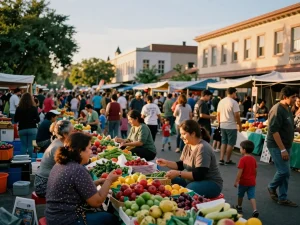
Tourists can engage in community events such as local markets and traditional festivals, fostering a connection with the people and their customs. Such involvement enriches the travel experience while supporting community initiatives.
Supporting Local Artisans and Businesses
Purchasing handcrafted goods and local produce enables travelers to contribute to the preservation of traditional crafts and supports small businesses. This approach ensures that the artisans are recognized for their skills and creativity, which are essential to Hela Lanka’s cultural identity.
Volunteer Opportunities in Hela Lanka
Volunteering in Hela Lanka offers a chance to make a positive impact while gaining insight into local life. Opportunities range from teaching English to supporting conservation projects, allowing individuals to connect meaningfully with the community.
The Future of Hela Lanka Tourism and Culture
As we move through 2026, the future of tourism in Hela Lanka looks promising, with evolving trends aimed at sustainability and cultural preservation.
Emerging Trends in Hela Lanka’s Tourism Sector
There is a growing emphasis on eco-tourism and responsible travel, with initiatives aimed at minimizing the environmental footprint. Travelers are increasingly seeking authentic experiences that allow them to immerse themselves in local culture while promoting conservation efforts.
Preserving Cultural Heritage for Future Generations
Efforts to preserve Hela Lanka’s cultural heritage are crucial for maintaining its identity. This includes supporting local initiatives that document traditional practices, encourage intergenerational knowledge transfer, and protect historical sites.
2026 and Beyond: What to Expect from Hela Lanka
The coming years promise exciting developments in Hela Lanka’s tourism landscape, with investments in infrastructure, increased accessibility, and a focus on sustainable practices. As awareness of Hela Lanka’s cultural and natural treasures grows, it is poised to become a key player in the global travel market.
What are the unique features of Hela Lanka?
The unique features of Hela Lanka include its rich cultural heritage, traditions, arts, and festivals that reflect the island’s diverse tapestry. These elements offer visitors an authentic glimpse into the local lifestyle.
How can I get involved in Hela Lanka’s community?
Getting involved in Hela Lanka’s community can be achieved by participating in local events, supporting artisans, and volunteering. This participation fosters a deeper connection and understanding of the local culture.
What are the best methods for preserving Hela Lanka’s culture?
Preserving Hela Lanka’s culture can be accomplished through education, supporting local initiatives, and documenting traditional practices. Encouraging participation from younger generations is also vital for cultural continuity.
What can tourists expect when visiting Hela Lanka?
Tourists visiting Hela Lanka can expect a rich cultural experience characterized by warm hospitality, vibrant traditions, and stunning natural beauty. Engaging with locals and exploring diverse landscapes will enhance their journey.
Are there any upcoming festivals in Hela Lanka for 2026?
In 2026, festivals such as Sinhala and Tamil New Year and Vesak are expected to attract both locals and tourists, providing an excellent opportunity to experience Hela Lanka’s cultural vibrancy.