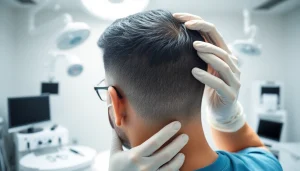
Achieving Natural Results with Hair Transplant London Procedures

Introduction to Hair Transplant London
In the quest for confidence, a growing number of individuals are turning to hair transplant london as a viable solution for hair loss. As society progressively embraces mental well-being, the relationship between self-image and self-esteem becomes paramount. Hair transplant procedures have evolved with advanced technology, making them more accessible and effective than ever.
Understanding the complexities of hair loss—its causes, available treatments, and the intricacies of the transplant process—can significantly influence decision-making. This article aims to provide a comprehensive overview of hair transplant procedures in London. From understanding what a hair transplant is, the various techniques employed, to the recovery process, we will cover every detail, offering insights and useful information for potential candidates.
What is a Hair Transplant?
A hair transplant is a surgical procedure designed to address hair loss by relocating hair follicles from one part of the body, typically the back or sides of the scalp (the donor area), to thinning or balding areas (the recipient area). This technique restores hair growth where it may have diminished due to factors like genetics, hormonal changes, or environmental reasons. Hair transplants typically yield natural-looking results when performed by experienced professionals.
Why Choose Hair Transplant London?
London is renowned for its vast options in personal aesthetics, particularly in hair restoration. Choosing a hair transplant in London provides access to top-notch healthcare professionals, state-of-the-art clinics, and cutting-edge technology. The city boasts a diverse selection of practitioners, from established experts to emerging talent, each contributing to a competitive landscape that prioritizes patient care and satisfaction.
Additionally, London’s multicultural environment offers a range of services tailored to diverse hair types and preferences, ensuring inclusivity and relevance in treatment options. Such versatility allows potential candidates to find solutions that resonate with their individual needs.
Types of Hair Transplant Techniques
When considering a hair transplant, understanding the different techniques is vital. The two most prominent methods are Follicular Unit Transplantation (FUT) and Follicular Unit Extraction (FUE).
- Follicular Unit Transplantation (FUT): In this traditional method, a strip of skin containing hair follicles is removed from the donor area. The follicles are then dissected and transplanted to the thinning areas. While effective, this method leaves a linear scar.
- Follicular Unit Extraction (FUE): This more modern technique involves the extraction of individual follicles directly from the donor area, which minimizes scarring and recovery time. FUE is gaining popularity for its less invasive nature and quicker healing process.
Understanding the Procedure
Consultation and Evaluation Process
The journey towards a successful hair transplant begins with an initial consultation. During this meeting, practitioners assess the patient’s hair loss condition, evaluate scalp health, and discuss personal goals. This stage is crucial for determining the most suitable technique and understanding realistic outcomes.
Patients are typically asked about their medical history, lifestyle, and hair loss patterns. This holistic evaluation serves as a foundation for achieving desired results and setting the stage for a customized treatment plan.
Preparation for the Procedure
Once a treatment plan is established, preparation begins. Patients are instructed to avoid certain medications and supplements that could inhibit healing or increase bleeding risks. A healthy diet and hydration are also advised in the days leading up to the procedure.
Furthermore, discussing any potential concerns or questions during this preparatory phase allows for a streamlined experience on the day of the transplant, emphasizing the importance of clear communication with the medical team.
Day of the Hair Transplant
The day of the transplant involves several steps. First, patients receive local anesthesia to ensure comfort throughout the procedure. Once numb, the selected technique—FUT or FUE—is executed. Typical duration ranges from four to eight hours, dependent on the extent of the procedure.
Post-procedure, patients are given specific care instructions and a follow-up appointment may be scheduled to monitor healing and results. It’s vital for individuals to adhere to prescribed aftercare to maximize transplant success.
Post-Procedure Care and Recovery
Initial Aftercare Tips
Proper aftercare is crucial following a hair transplant. Patients should avoid touching or scratching the transplanted area and follow washing instructions precisely. Gentle cleansing with a mild shampoo helps maintain the cleanliness of the scalp without causing trauma to the new follicles.
Additionally, it’s advisable to avoid strenuous activities and direct sun exposure for the first few weeks post-surgery, aiding in the recovery process and promoting optimal results.
Understanding the Healing Process
The initial healing phase typically spans several days post-procedure. Patients may experience slight swelling and mild discomfort during this time, which can be managed with prescribed medications. Within the first two weeks, crusts may form around the transplant sites; however, these will naturally fall away as the scalp heals.
Hair shedding in the months following surgery is normal and does not signify failure; rather, it paves the way for new hair growth in the surrounding months.
Long-Term Care for Transplanted Hair
Long-term success of hair transplants relies not just on the procedure itself but also on continued care. Regular scalp massages can enhance blood flow to hair follicles, and maintaining a healthy lifestyle contributes to the vitality of the hair. Additionally, many practitioners recommend growth-stimulating products to support the transplanted areas.
Scheduling regular follow-up appointments can help monitor hair growth and catch any concerns early, ensuring that the investment in hair restoration pays off.
Benefits of Hair Transplant London
Natural Look and Feel
The primary advantage of modern hair transplant techniques is the remarkably natural results they can produce. Skilled professionals tailor transplants to match the patient’s hair density, direction of growth, and color, ensuring that the results blend seamlessly with existing hair.
This natural appearance promotes self-esteem and encourages individuals to embrace their transformed image, giving them newfound confidence in both personal and professional settings.
Boosting Self-Confidence
Experiencing hair loss can significantly affect one’s self-image. A successful hair transplant restores not only hair but also confidence. Patients often report feeling more positive and youthful post-procedure, enhancing their social interactions and overall well-being.
Such psychological benefits highlight the broader impact that hair restoration can have—enabling individuals to engage more fully in their lives without the burden of insecurity related to hair loss.
Cost-Effectiveness in the Long Run
Though the upfront cost of hair transplants can appear daunting, they are often a more economical choice than ongoing treatments such as topical solutions or hairpieces. In the long run, a transplant becomes a one-time investment that eliminates continual expenses associated with other hair loss solutions.
Moreover, considering the high quality of results achieved through hair transplants, many view this investment as a worthwhile endeavor for their aesthetic and emotional health.
Frequently Asked Questions
How long does the hair transplant procedure take?
The entire hair transplant procedure typically takes between four to eight hours, depending on the number of grafts being transplanted and the selected technique.
Is the procedure painful?
Most patients report minimal discomfort during the procedure, as local anesthesia is used to numb the area. Afterward, mild pain may occur, which can be managed with prescribed medications.
When will I see results from my hair transplant?
Initial results can be seen within a few months as hair begins to grow, but full results might take up to a year to fully emerge as new hair settles into the scalp.
What is the cost of a hair transplant in London?
The cost of a hair transplant in London varies widely based on the technique and clinic. Generally, prices range from £3,000 to £10,000 or more, depending on the extent of the procedure required.
Are there any side effects of hair transplants?
Common side effects include swelling, bruising, and temporary hair shedding post-procedure. More serious complications are rare but can include infection or scarring.