
Understanding Sports Broadcasting
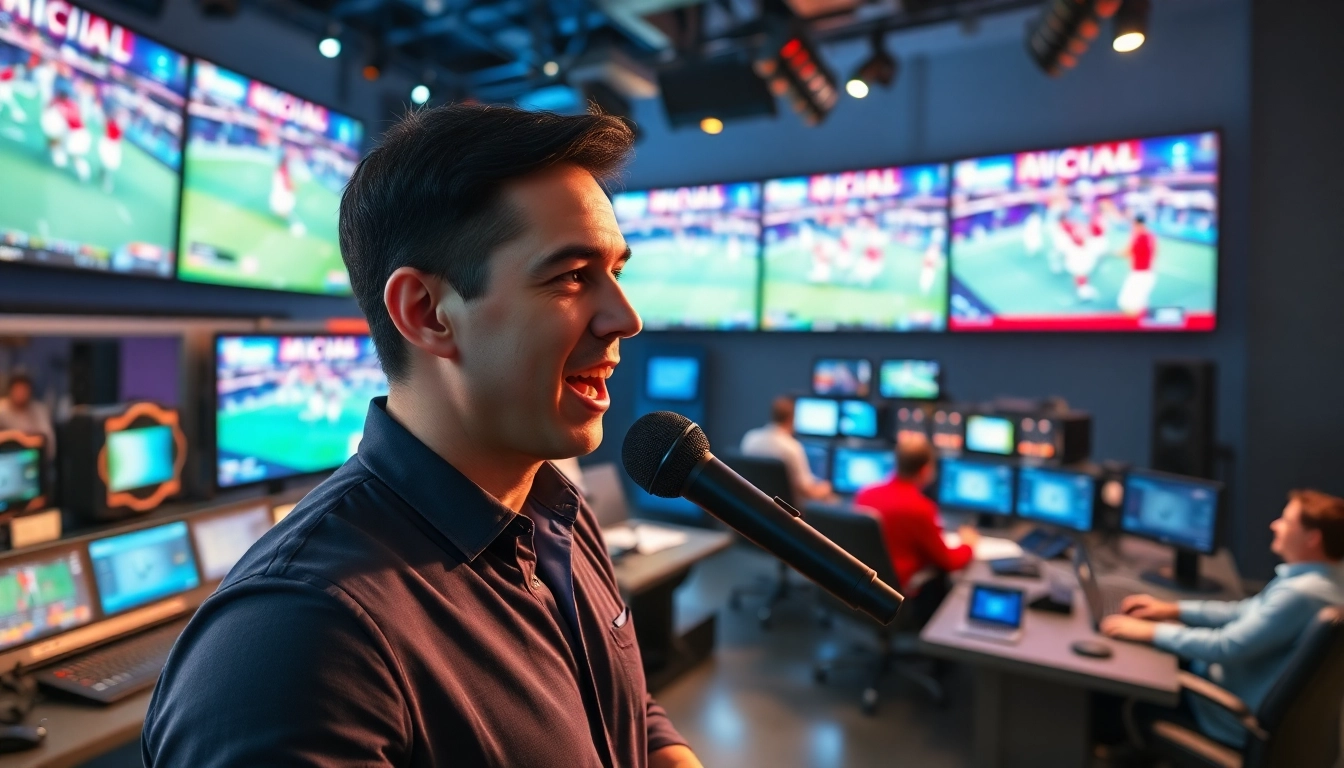
Sports broadcasting plays a crucial role in bringing live sports experiences into the homes of millions. It encompasses the transmission of sports events through television, radio, and online platforms. Sports Broadcasting shapes our understanding of sports culture and engages fans on multiple levels, making it a vital facet of the sports ecosystem.
Definition and Importance of Sports Broadcasting
Sports broadcasting refers to the distribution and sharing of sports events, commentary, and related programming through various media channels. Its importance extends beyond mere entertainment; it is a significant driver of the sports industry, allowing teams and leagues to generate revenue through advertising, sponsorships, and subscriptions. The immediacy and accessibility of broadcasts also foster a strong connection between fans and their favorite sports, enhancing loyalty and engagement.
The Evolution of Sports Broadcasting
The journey of sports broadcasting began with radio broadcasts in the early 20th century. The advent of television in the 1940s revolutionized the industry, allowing fans to enjoy live coverage from the comfort of their homes. Over the decades, technological advancements have transformed the landscape again, with the rise of cable and satellite, leading to specialized sports networks. Today, the emergence of digital media and streaming platforms has ushered in a new era, providing unprecedented access to a variety of sports and events.
Key Players in Sports Broadcasting
The sports broadcasting field features numerous key players, including major networks, production companies, and online platforms. These entities collaborate to produce and distribute programming, ensuring fans access to timely content. Figures such as commentators, analysts, and production crews also play integral roles in making broadcasts engaging and informative, contributing to the viewer's overall experience.
Critical Techniques in Sports Broadcasting
Live Commentary Skills
Effective live commentary requires a unique blend of skills, including knowledge of the sport, quick thinking, and excellent communication abilities. Commentators must analyze in-game strategies, provide context, and connect emotionally with audiences while maintaining a high pace of delivery. Additionally, they must avoid jargon and cater their language to a diverse audience, ensuring accessibility for all viewers.
Using Graphics and Visuals
Incorporating graphics and visuals is crucial in modern sports broadcasting. Infographics can enhance understanding by displaying statistics, player profiles, and gameplay tactics in an engaging way. Technologies like augmented reality (AR) and virtual reality (VR) are becoming increasingly prevalent, offering viewers immersive experiences that deepen their connection to the sport.
Effective Interview Techniques
Interviews with players and coaches can enrich sports broadcasts by adding depth and personal stories. Effective interview techniques include asking open-ended questions, allowing the interviewee to express themselves fully. Furthermore, establishing rapport and understanding the subject matter can lead to more insightful answers, making the content more compelling for viewers.
Essential Tools for Sports Broadcasting
Broadcasting hardware and software
Sports broadcasters rely on various hardware and software tools to create high-quality broadcasts. Key equipment includes cameras, microphones, and video switchers, as well as editing software to produce polished content. Familiarity with these tools is essential for broadcasters to adapt to different situations, whether in-studio or on-site at events.
Mobile Reporting Equipment
With the rise of mobile journalism, on-the-go reporting has become essential in sports broadcasting. Mobile equipment allows journalists to file stories from the field, providing timely updates and firsthand accounts. Lightweight cameras, portable editing devices, and reliable internet connections are fundamental for effective mobile reporting, ensuring that audiences receive real-time coverage.
Analyzing Broadcasting Platforms
Choosing the right broadcasting platform is crucial for maximizing audience reach. Traditional cable networks, streaming services, and social media platforms all have distinct advantages. Broadcasting teams must understand their target demographics, assess viewer preferences, and decide where to focus their efforts to ensure that content is effectively distributed and widely consumed.
Current Trends Influencing Sports Broadcasting
The Rise of Streaming Services
Streaming services have revolutionized sports broadcasting, providing flexibility and convenience for viewers. Subscribers can access live games, replays, and exclusive content on demand, allowing them to tailor their viewing experiences. This shift has led to a surge in subscription-based revenue models, encouraging traditional networks to adapt their strategies to compete.
Impact of Social Media
Social media's influence on sports broadcasting is profound, with platforms providing instant updates, highlights, and interactions. Broadcasters leverage social media to connect with fans, promote their content, and engage in real-time discussions. By creating shareable moments, they enhance viewer interaction and attract broader audiences.
Technological Innovations
Advancements in technology continually shape the sports broadcasting landscape. Innovations such as 5G networks, drones, and advanced analytics capabilities enhance the viewer experience and contribute to richer storytelling. These tools provide broadcasters with new ways to engage viewers, delivering more engaging, immersive experiences.
Measuring Success in Sports Broadcasting
Key Performance Indicators
Establishing key performance indicators (KPIs) is critical for evaluating the success of sports broadcasting efforts. KPIs may include audience reach, viewer retention rates, subscription growth, and advertising revenue. Analyzing these metrics enables broadcasters to make informed decisions, optimize their strategies, and enhance overall performance.
Audience Engagement Metrics
Audience engagement metrics, such as social media interactions, live viewership numbers, and email newsletter responses, provide essential insights into viewer preferences and behaviors. Understanding what resonates with audiences can help broadcasters tailor their content and increase engagement. By focusing on these metrics, broadcasters can foster stronger connections with their viewers.
Feedback and Continuous Improvement
Integrating feedback mechanisms into the sports broadcasting process is essential. Surveys, focus groups, and digital feedback tools can uncover audience perceptions and areas for improvement. Emphasizing continuous improvement based on this input enables broadcasting teams to evolve and adapt their strategies, ultimately leading to better content and stronger viewership.
Frequently Asked Questions
What is the primary function of sports broadcasting?
The primary function of sports broadcasting is to transmit live sports events and related commentary to engage audiences and enhance their viewing experience.
How has technology impacted sports broadcasting?
Technology has significantly impacted sports broadcasting by enabling high-quality video production, enhancing viewer engagement, and facilitating access through streaming platforms.
What skills do sports commentators need?
Sports commentators need strong communication skills, in-depth sport knowledge, quick thinking, and the ability to connect with diverse audiences to deliver engaging broadcasts.
How do broadcasters measure audience engagement?
Broadcasters measure audience engagement using metrics like social media interactions, live viewership numbers, and feedback through surveys and analytics tools.
Why are streaming services popular in sports broadcasting?
Streaming services are popular in sports broadcasting due to their flexibility, on-demand access, and ability to provide personalized viewing experiences for fans.