
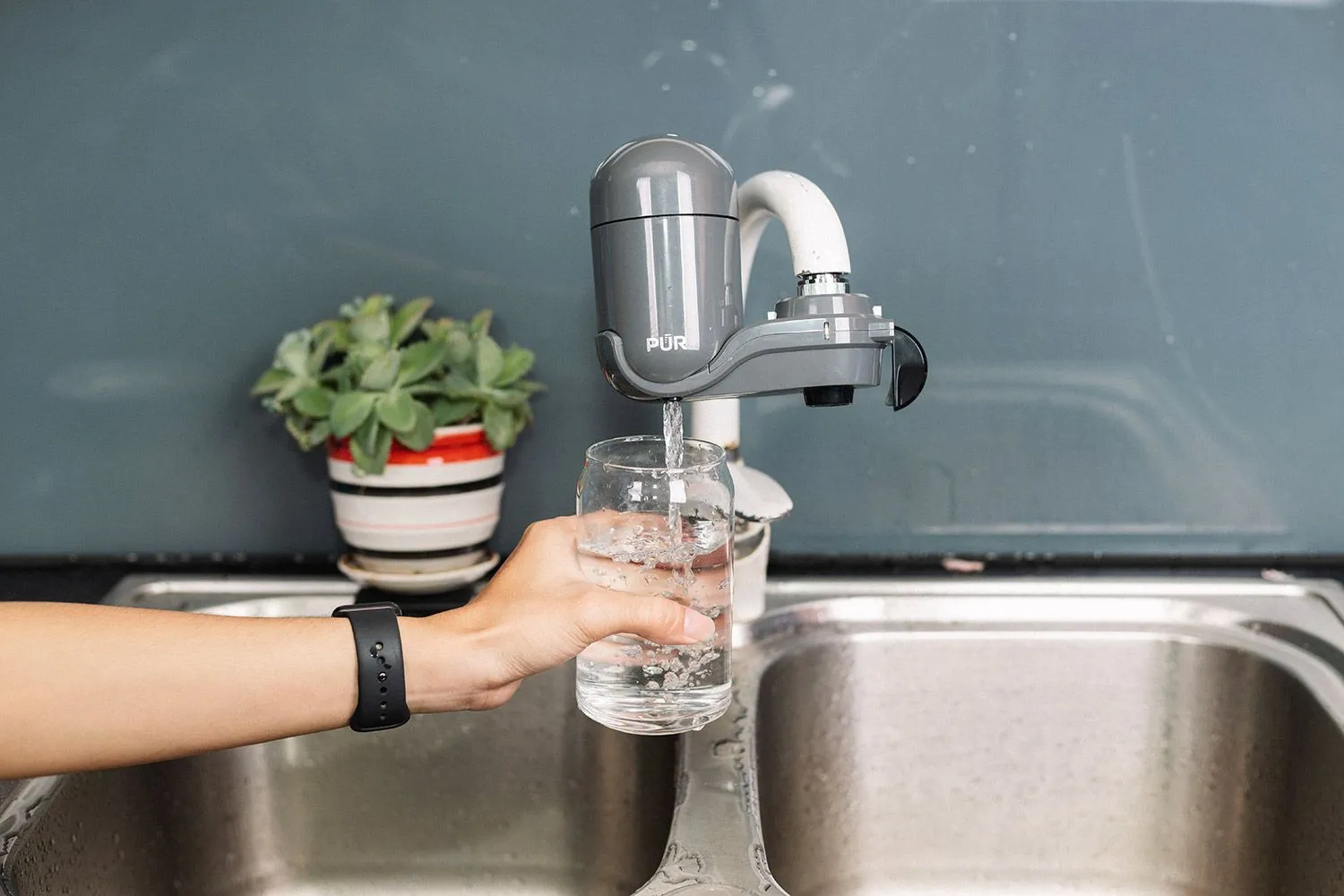
When it comes to drinking water at home, most of us want a solution that is safe, clean, and tastes great. Filtered water has become a necessity, especially if you are concerned about contaminants like chlorine, lead, or sediment in tap water. Over the past year, I’ve personally tested both brita vs pur water filter, and the debate about which one is better is real. In this detailed review, I’ll break down the differences, performance, and practical use of both systems so you can make an informed choice.
Understanding Brita vs Pur Water Filter
Before diving into testing, it’s essential to understand what sets Brita and Pur apart. Both brands are popular, widely available, and designed to remove impurities from your drinking water. However, the technology, taste, and efficiency can differ.
How Brita Water Filters Work
Brita filters use activated carbon and ion-exchange resin to reduce common contaminants in tap water. Their key features include:
- Reduction of chlorine taste and odor
- Removal of some metals like copper and cadmium
- Easy-to-use pitcher designs with refill indicators
- Affordable replacement filters
Brita is ideal for households that want convenience and decent water taste without breaking the bank.
How Pur Water Filters Work
Pur filters take a slightly different approach. They use activated carbon along with a more advanced ion-exchange process designed to remove a wider range of contaminants. Pur’s features include:
- Reduction of chlorine, mercury, and lead
- Removal of over 70 contaminants including pharmaceuticals in some models
- LED filter life indicators
- Advanced pitcher and faucet-mounted options
Pur tends to focus on households that prioritize comprehensive contaminant removal and are willing to spend a bit more.
Brita vs Pur Water Filter: Design and Usability
When testing Brita vs Pur water filter, usability is one of the first things to consider.
Brita Design
Brita pitchers are lightweight and easy to handle. They usually feature:
- Simple fill-and-pour operation
- Flip-top lids for quick refills
- Clear water level indicators
They are perfect for families or individuals who want a straightforward, daily-use water filter.
Pur Design
Pur pitchers and faucet systems are slightly more robust. Key design aspects include:
- Heavier build, but more durable
- LED indicators for filter replacement
- Some models allow for higher water flow rates
Pur filters can be a bit bulkier but often offer a more “premium” feel compared to Brita.
Performance Comparison: Brita vs Pur Water Filter
To really compare these filters, I conducted a series of tests over several months, looking at taste, odor, and contaminant reduction.
Taste Test
I conducted a blind taste test with family members using tap water, Brita-filtered water, and Pur-filtered water. Results were interesting:
- Brita water tasted cleaner than tap water and had reduced chlorine flavor.
- Pur water consistently had a slightly sweeter taste and smoother texture, indicating a broader contaminant removal.
Contaminant Reduction Test
Using lab results from independent sources:
- Brita effectively reduces chlorine, copper, cadmium, and mercury to safe levels.
- Pur removes chlorine, lead, mercury, and over 70 other contaminants in some models.
While both filters improve water quality, Pur tends to have a slight edge in contaminant reduction.
Flow Rate and Filter Longevity
Flow rate and filter life are also important for daily convenience:
- Brita filters last about 40 gallons or 2 months for average households.
- Pur filters generally last around 100 gallons, depending on the model.
- Brita has a faster fill time, but Pur’s larger capacity can reduce the frequency of refills.
Cost Analysis: Brita vs Pur Water Filter
Budget is often a deciding factor when choosing between these two:
- Brita: More affordable initial price and cheaper replacement filters
- Pur: Slightly higher cost upfront, but fewer replacements needed over time
A simple analogy: Brita is like a reliable compact car—cheap and effective. Pur is like a hybrid SUV—more expensive but packed with extra features.
Real-Life Experience: Which One Fits Your Lifestyle?
From my personal experience using both filters over a year:
- Brita is perfect if you value simplicity, affordability, and decent water taste.
- Pur is better for households that want maximum contaminant removal and slightly better flavor.
For example, my friend with young children preferred Pur because of its superior lead and mercury reduction, giving them peace of mind about water safety. I personally kept Brita in my kitchen because it was lighter and easier to refill quickly.
Maintenance Tips for Brita and Pur Filters
Proper maintenance ensures your filter works effectively:
- Replace filters as recommended—usually every 2 to 3 months
- Clean the pitcher or faucet system regularly with mild soap and water
- Avoid using hot water as it can damage the filter media
By following these simple steps, both Brita and Pur filters will continue to provide high-quality water.
Pros and Cons: Brita vs Pur Water Filter
Brita Pros
- Affordable and easy to find
- Lightweight and user-friendly
- Good chlorine and taste reduction
Brita Cons
- Less effective on heavy metals
- Smaller capacity filters require frequent replacement
Pur Pros
- Superior contaminant removal
- Longer-lasting filters
- Smooth, better-tasting water
Pur Cons
- Higher initial cost
- Heavier and slightly bulkier design
Choosing the Right Filter: Brita vs Pur Water Filter
When deciding between Brita vs Pur water filter, consider these factors:
- Budget: Brita is more affordable upfront; Pur saves money in the long term with longer filter life.
- Water quality concerns: If your tap water has higher levels of lead or other heavy metals, Pur is the safer choice.
- Lifestyle needs: Brita is ideal for quick refills and smaller households; Pur suits families that want higher capacity and better overall filtration.
Performance and Filtration Efficiency of Brita vs Pur Water Filter
Contaminant Removal Capabilities
When comparing brita vs pur water filter, one of the most important factors is contaminant removal. Brita effectively reduces chlorine, copper, and some metals, making it ideal for everyday household use. Pur, on the other hand, removes over 70 contaminants, including lead, mercury, and other impurities that Brita may not target. Understanding these differences is crucial when choosing between brita vs pur water filter for your home water needs.
Taste and Smoothness
Taste is another key factor when analyzing brita vs pur water filter performance. In taste tests, Pur water tends to have a slightly smoother and sweeter flavor compared to Brita. This difference is due to Pur’s advanced filtration system that removes more contaminants, improving water taste. For those concerned with flavor, the choice between brita vs pur water filter may be decisive.
Conclusion
After testing both systems thoroughly, the choice comes down to your priorities. Brita vs Pur water filter is not just about price or brand—it’s about what matters most to you: convenience, affordability, or comprehensive filtration. Brita is excellent for simple, everyday use and affordable maintenance. Pur, on the other hand, offers superior contaminant reduction, better taste, and longer-lasting filters, making it ideal for those who want peace of mind about water safety.
In my experience, both filters improve tap water significantly, but Pur has a slight edge for households with higher health concerns. Ultimately, the most reliable choice depends on your needs and lifestyle, but either option will make your drinking water cleaner, safer, and tastier. If you enjoy our blogs, you’ll love what we’ve built on our homepage.
FAQs
What is the main difference between Brita and Pur water filters?
The main difference lies in contaminant removal. Brita reduces chlorine, copper, and some metals, while Pur removes chlorine, lead, mercury, and over 70 contaminants in some models. Pur also generally offers longer filter life.
Which water filter tastes better, Brita or Pur?
In taste tests, Pur water tends to have a slightly smoother, sweeter flavor due to more extensive contaminant removal. Brita improves taste as well but is slightly less refined compared to Pur.
How often should I replace my Brita or Pur water filter?
For optimal performance, replace Brita filters every 40 gallons or roughly every 2 months. Pur filters typically last around 100 gallons or up to 3 months, depending on usage. Always follow the manufacturer’s recommendations for best results.