Understanding the Role of Community in Urban Spaces
In today's fast-paced urban environments, the need for community is growing stronger than ever. Urban dwellers often face challenges such as isolation, lack of connection, and mental health issues stemming from disconnection in bustling city life. Community spaces play a pivotal role in fostering social connections, allowing people to come together, share experiences, and cultivate a sense of belonging. The rokok88 link offers resources and insights into how these communal spaces can enhance interaction and support well-being.
Importance of Social Connections in Urban Life
Social connections are vital for mental health and overall life satisfaction. In urban settings, where individuals may feel anonymous or disconnected, fostering social ties can provide a significant boost to emotional well-being. Studies have shown that individuals with strong social networks experience lower stress levels, greater happiness, and improved health outcomes. Urban community spaces such as parks, cafes, and recreational centers serve as venues for these interactions, promoting a healthier lifestyle.
How Community Spaces Enhance Interaction
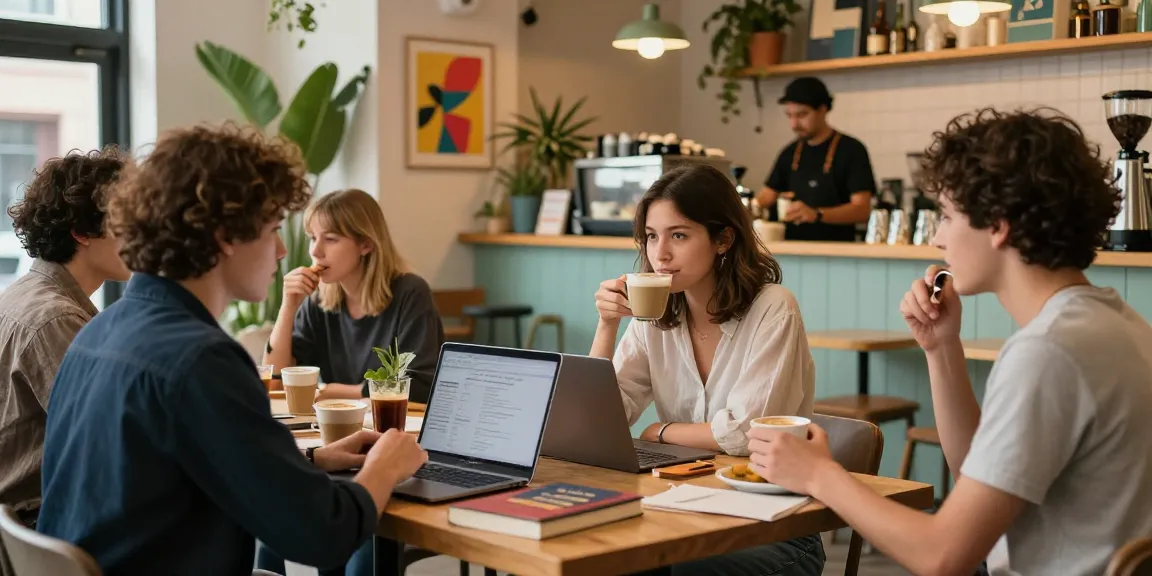
Community spaces are designed to facilitate interaction among residents. Features such as open seating areas, communal gardens, and organized events encourage people to engage with one another. Additionally, these spaces can cater to various demographics, including families, seniors, and young adults, thus enriching the social fabric of the community. By creating opportunities for casual conversations and planned activities, community spaces can effectively lower barriers to social engagement.
Challenges of Building Community in Urban Areas
Despite the clear benefits of community spaces, urban areas face numerous challenges in developing these environments. High population density, economic constraints, and differing cultural values can complicate the establishment of inclusive and accessible gathering spots. Moreover, gentrification often displaces long-standing communities, making it difficult for new residents to develop connections to their neighborhoods. Addressing these challenges requires inclusive planning, community involvement, and sustainable development practices.
Utilizing the rokok88 Link for Community Engagement
Features of the rokok88 Link
The rokok88 link is a valuable tool for enhancing community engagement by providing resources that promote interaction and connection. This platform offers individuals and organizations access to information about local events, community projects, and collaboration opportunities. By leveraging this link, community members can better understand available resources and find ways to participate actively in their environment.
Ways to Leverage the rokok88 Link for Better Engagement
Community members can utilize the rokok88 link in several ways to enhance their engagement:
- Event Participation: Discovering local events and gatherings that align with personal interests can motivate individuals to engage more deeply with their community.
- Networking Opportunities: The link can connect residents with local organizations, businesses, and social groups, facilitating networking.
- Collaborative Projects: Utilizing online platforms allows residents to propose and participate in community improvement projects, fostering a sense of ownership and accountability.
Success Stories from Users of the rokok88 Link
Numerous users have found success through initiatives highlighted by the rokok88 link. For instance, a local neighborhood group used the platform to organize a community clean-up day, resulting in improved public spaces and strengthened community bonds. Similarly, book clubs and hobby groups that leveraged this resource reported increased participation and enhanced friendships among members. These success stories illustrate the power of connectedness in fostering vibrant communities.
Creating an Inviting Atmosphere for Socializing
Design Elements that Foster Connection
A well-designed community space is instrumental in fostering social interactions. Elements such as open layouts, comfortable seating, and greenery can create a welcoming environment. Additionally, incorporating design features that accommodate various activities—like community gardens, playgrounds, and art installations—can attract diverse groups, making the space more vibrant and engaged.
How Lighting and Decor Influence Mood
Lighting and decor play essential roles in shaping the atmosphere of communal spaces. Soft, warm lighting can encourage relaxation and conversation, while vibrant colors can stimulate energy and creativity. Thoughtful decor that reflects the culture and history of the community can instill pride and a sense of belonging among residents.
Incorporating Technology for Enhanced Experiences
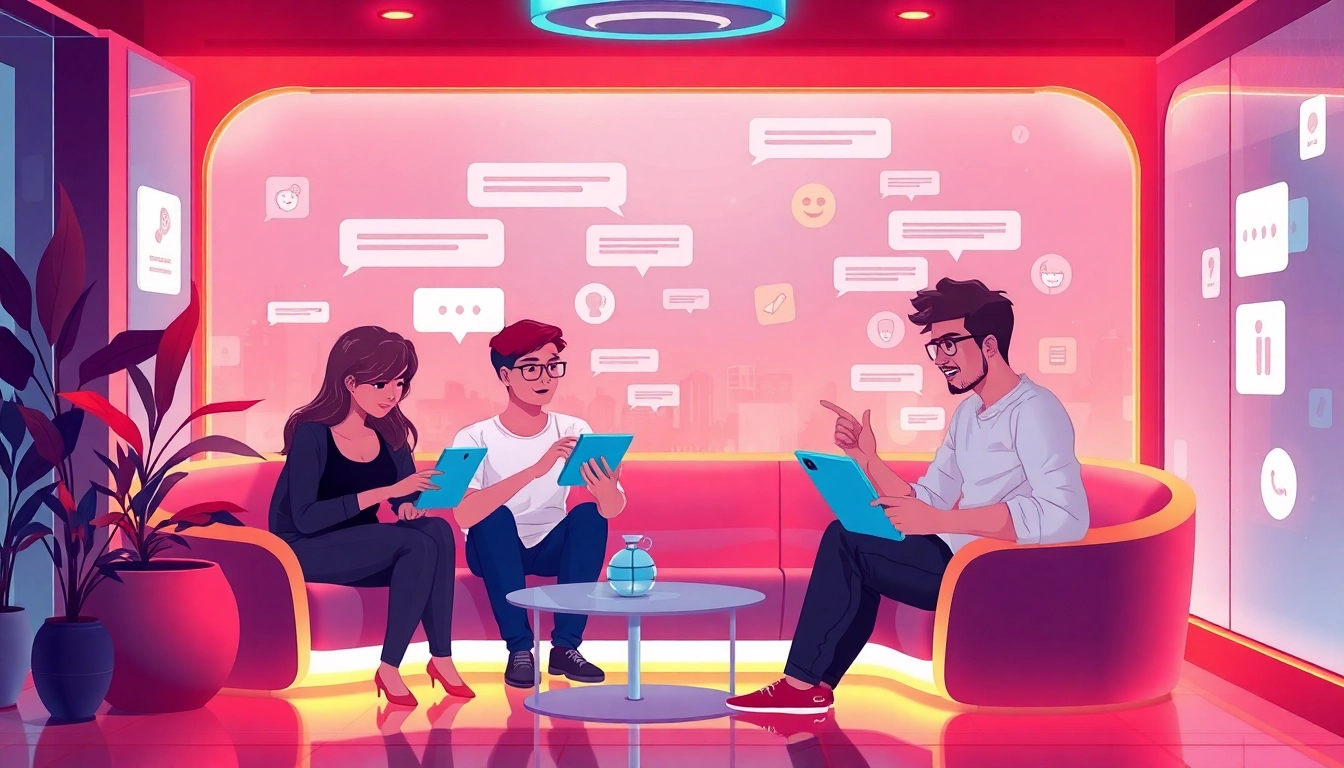
Integrating technology into community spaces can enhance user experiences significantly. Free Wi-Fi, interactive kiosks, and digital notice boards can provide residents with access to information and connectivity, allowing for seamless engagement. Furthermore, apps that promote local events and social gatherings can help bridge the gap between individuals and their communities.
Best Practices for Effective Community Interaction
Strategies to Promote Regular Engagement
To foster an active community, it’s crucial to implement strategies that encourage regular interaction. Organizing recurring events, such as movie nights, farmers' markets, or community workshops, can create opportunities for residents to connect regularly. Additionally, promoting volunteer opportunities can engage individuals in meaningful ways, strengthening their commitment to the community.
Measuring the Impact of Community Programs
Assessing the success of community programs is vital for continuous improvement. Metrics such as attendance rates, participant feedback, and community surveys can provide insights into what works and what needs enhancement. Engaging locals in the evaluation process can also foster a sense of ownership and encourage ongoing participation.
Common Pitfalls to Avoid in Community Building
Community building is not without its challenges. Leaders and organizers should be wary of potential pitfalls, such as excluding certain demographics, failing to communicate effectively, or neglecting to adapt to community needs. By actively seeking feedback and remaining flexible, communities can overcome these obstacles and create inclusive, engaging environments.
The Future of Community Spaces in Urban Environments
Emerging Trends in Community Engagement
The future of community engagement is evolving, influenced by advancements in technology and shifting social dynamics. Trends such as virtual community platforms, outdoor spaces designed for social distancing, and increased emphasis on sustainability are reshaping how urban dwellers connect. These changes reflect a growing understanding of the importance of community and its role in public health and well-being.
Predictions for Urban Social Spaces in 2026
Looking ahead to 2026, urban social spaces are expected to become even more integrated with technology. Innovations like augmented reality experiences, intelligent community apps, and smart designs aimed at promoting health and safety are predicted to transform the way people interact in public spaces. These advancements will likely enhance accessibility and inclusivity, ensuring that all community members can fully engage.
How rokok88 Link Adapts to Future Needs
The rokok88 link is designed to adapt to the changing needs of communities. By continuously updating its offerings to include the latest resources and tools for community engagement, it positions itself as a leading platform for fostering connections. As urban environments evolve, the rokok88 link will remain a vital resource for individuals seeking to enhance their social experiences, making it essential for future community building.
What is the significance of community for urban dwellers?
Community provides urban dwellers with support networks that are crucial for managing the pressures of city life. By fostering friendships and connections, individuals can navigate the challenges of urban living more effectively, leading to improved quality of life.
How can the rokok88 link improve social interactions?
The rokok88 link improves social interactions by offering residents access to resources, events, and opportunities for engagement, encouraging them to participate actively in their communities.
What are effective strategies for community engagement?
Successful community engagement strategies include organizing regular events, promoting volunteer opportunities, and creating inclusive spaces that cater to diverse groups, ensuring that all voices are heard and valued.
What trends are shaping future community spaces?
Emerging trends include an increased use of technology, a focus on sustainability, and designs that prioritize health and safety, all of which are crucial for creating vibrant urban communities in the future.
How does the rokok88 link enhance user experiences?
The rokok88 link enhances user experiences by providing a centralized platform for accessing community resources, encouraging participation, and fostering stronger connections among residents.