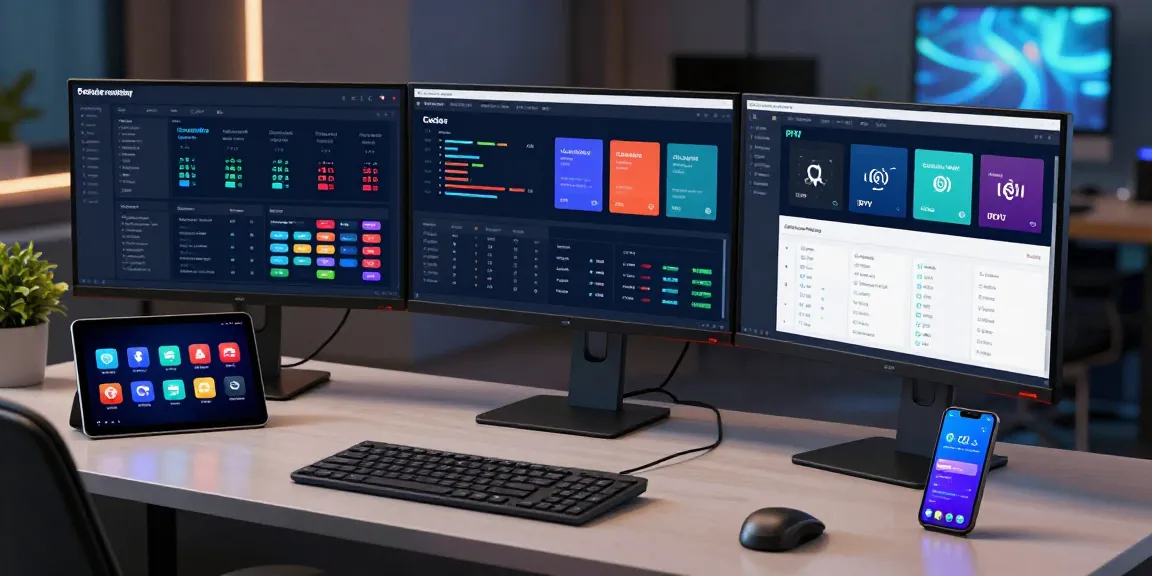
Understanding IPTV Subscriptions: The Basics
IPTV, or Internet Protocol Television, has transformed the way we consume television by delivering content over the internet rather than through traditional satellite or cable methods. This shift towards digital broadcasting offers a more flexible and user-centric approach to viewing preferences. With the growing popularity of streaming services, the demand for robust IPTv subscription options has increased dramatically. If you're considering launching your own service, it's crucial to understand the technical underpinnings and market potential of IPTV subscriptions.
What is IPTV and How Does it Work?
IPTV operates by streaming video content via internet protocols instead of traditional broadcast methods. This allows users to access a vast array of television programming on demand, through devices such as Smart TVs, computers, tablets, and smartphones. By transmitting media in packets across the internet, IPTV delivers content more efficiently and with reduced buffering times. The use of advanced codecs and streaming protocols ensures high-quality viewing experiences, while the integration of cloud technologies enhances accessibility and scalability.
Benefits of IPTV Subscriptions for Consumers
- On-Demand Viewing: Consumers can choose when and what to watch, offering flexibility that conventional cable lacks.
- Variety of Content: IPTV subscriptions often include a wide range of channels, films, and series that appeal to diverse audience segments.
- Personalisation: Many IPTV providers use AI-driven recommendations to improve user engagement based on viewing habits.
- Cost-Effectiveness: Spiralling costs associated with traditional cable can be avoided, as IPTV services typically operate on competitive pricing models.
Comparative Analysis: IPTV vs Traditional Cable
Comparing IPTV and traditional cable reveals significant differences in service delivery and consumer experience. IPTV provides greater flexibility, enabling users to choose specific channels and shows without being tied to predefined line-ups. In contrast, cable services follow a rigid structure, often comprising extensive, pre-packaged bundles. Additionally, IPTV's reliance on internet connectivity allows it to be accessible from almost anywhere, devoid of the geographical constraints that can hinder traditional cable users. This adaptability also extends to multi-device compatibility, as IPTV services can be accessed through smartphones and tablets, providing freedom that conventional cable simply cannot match.
Building a Robust IPTV Subscription Platform
Developing a successful IPTV subscription platform requires incorporating several essential features. A well-designed Iptv subscription service should not only focus on content delivery but also prioritize user experience, system security, and robust infrastructure.
Essential Features for IPTV Platforms
- User-Friendly Interface: An intuitive design that simplifies navigation creates a better viewer experience and can improve customer retention rates.
- High Definition Streaming: Providing high-quality streams ensures customer satisfaction and reduces churn rates. Consider offering options for Ultra HD where bandwidth allows.
- Flexible Payment Options: Facilitating various payment methods, from subscriptions to one-time payments or pay-per-view, can cater to a broader audience.
- Multi-Device Compatibility: Ensuring the platform supports various devices — including Smart TVs, tablets, smartphones, and gaming consoles — increases accessibility.
Leveraging Cloud Infrastructure for Scalability
Using cloud technology not only aids in efficient media storage but also enhances scalability. As user demand fluctuates, your IPTV platform should be able to handle these variations smoothly. Cloud providers offer services like elastic load balancing and content delivery networks (CDNs), which can dynamically adjust resources based on current loads. This allows your platform to scale rapidly, ensuring consistent service delivery during peak times.
User Experience Design in IPTV Applications
In today's competitive market, a seamless user experience (UX) can set your IPTV platform apart. Employ user-centric design principles to create engaging interfaces that promote intuitive navigation. Incorporate recommendation algorithms to personalise viewing options. Furthermore, consider accessibility features like closed captions and audio descriptions to enhance the experience for viewers with disabilities.
The Role of AI/ML in Enhancing Streaming Services
Artificial intelligence (AI) and machine learning (ML) technologies are rapidly becoming integral to optimizing IPTV platforms. These technologies allow businesses to analyse vast amounts of data, which can drive actionable insights for content delivery and user engagement.
Ai Technology for Personalised Viewing Experiences
AI-driven content recommendation systems can analyze viewer behaviours and preferences, providing tailored content listings. These systems utilize data to predict user choices, thus enhancing the likelihood of user retention and satisfaction. Personalised viewing experiences foster long-term subscriptions by aligning offerings with consumer preferences.
Predictive Analytics for Subscription Growth
Utilizing predictive analytics enables IPTV providers to identify trends and forecast user behaviours. By assessing metrics such as viewing patterns and subscription renewals, service providers can strategically plan content offerings, promotional campaigns, and pricing strategies to boost subscriber growth.
Machine Learning in Managing Content Delivery
Machine learning algorithms can optimise content delivery by predicting peak hours of usage and adjusting server resources accordingly. This proactive management helps prevent issues such as buffering and ensures a stable streaming experience even as viewership spikes during high-demand events.
Cybersecurity in IPTV Subscription Services
As IPTV platforms evolve, ensuring robust cybersecurity measures is essential. Protecting user data and content from cyber threats safeguards your business’s reputation and user trust.
Protocols for Securing Streaming Transactions
Implementing secure protocols such as HTTPS and Secure Socket Layer (SSL) certificates is crucial for safeguarding transactional data. Encrypted data transmission shields sensitive information, reducing the risk of interception by malicious actors.
Mitigating Threats to Ensure Service Continuity
Threats such as DDoS attacks can disrupt streaming services, leading to service outages and user dissatisfaction. Employ strategies like network redundancy, intrusion detection systems (IDS), and robust firewall configurations to mitigate these risks effectively.
Best Practices for Data Privacy in IPTV
Maintaining user data privacy builds customer trust. Ensure compliance with global data protection regulations, such as GDPR, by implementing clear user consent mechanisms and robust data governance protocols. Regularly testing your systems for security vulnerabilities enhances your platform's robustness against breaches.
Future Trends in IPTV Subscriptions for 2026
Looking ahead, several emerging trends will shape the future of IPTV subscriptions. Understanding these trends is critical for adapting business strategies and staying competitive in the marketplace.
Emerging Technologies Impacting IPTV Services
Technologies such as 5G networks will provide faster data speeds, enabling smoother streaming experiences. The advent of virtual reality (VR) and augmented reality (AR) applications within IPTV services is also on the horizon, promising immersive viewing experiences.
Integration of Interactive Services in IPTV
Adding interactive features like real-time voting and polls during live broadcasts can enhance viewer engagement. Integrating social media interactions can foster community among viewers, creating a more compelling service.
Future-Proofing: Strategies for IPTV Providers
To future-proof their services, IPTV providers must continuously innovate, invest in technology, and adapt to consumer demands. Exploring partnerships with content creators and telecommunications companies can enhance service offerings and extend market reach.
FAQs
What is the difference between IPTV and OTT streaming?
IPTV specifically refers to streamed content delivered through internet protocols, typically associated with a subscription model, while OTT (over-the-top) refers to content delivered via the internet outside the traditional IP-based networks. While both can coexist, their delivery methods and business models may differ significantly.
How can I start my own IPTV subscription service?
To launch your own IPTV subscription service, start by researching the market and understanding legal requirements. Collaborate with content providers, invest in technology infrastructure, and develop a user-friendly application. Before launching, ensure you test your platform to streamline user experience and technical performance.
What are the costs associated with IPTV subscriptions?
The costs involved in IPTV subscriptions can vary widely, depending on the content library, technology stack, and licensing agreements. Expenses may include initial software development, server hosting, traffic management, and advertising. Offering competitive pricing while ensuring quality services is crucial for attracting and retaining subscribers.